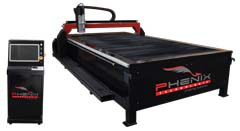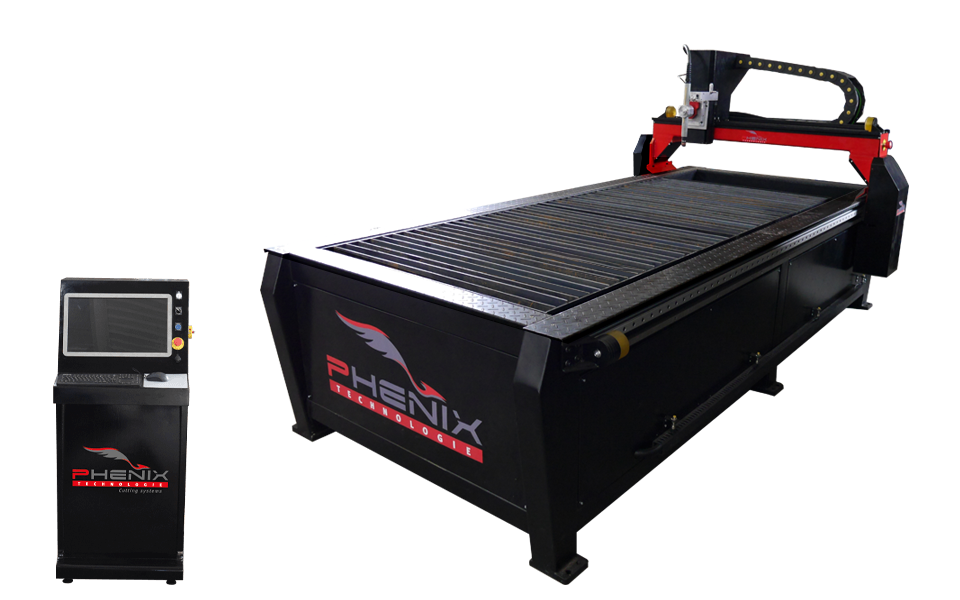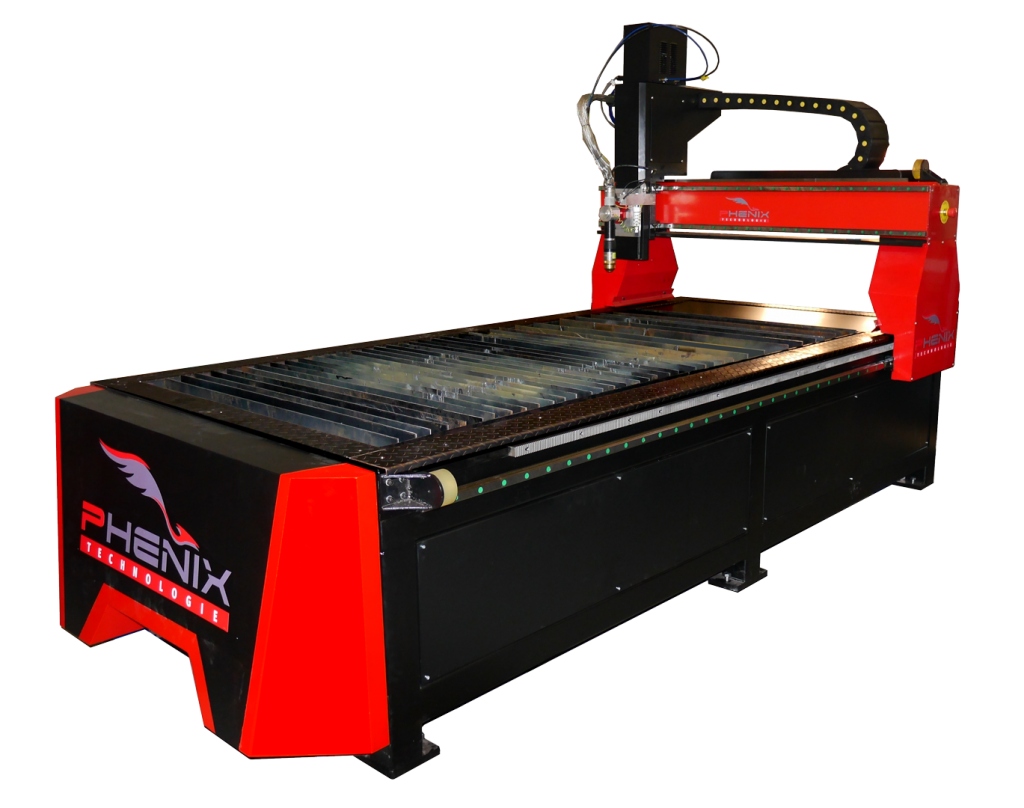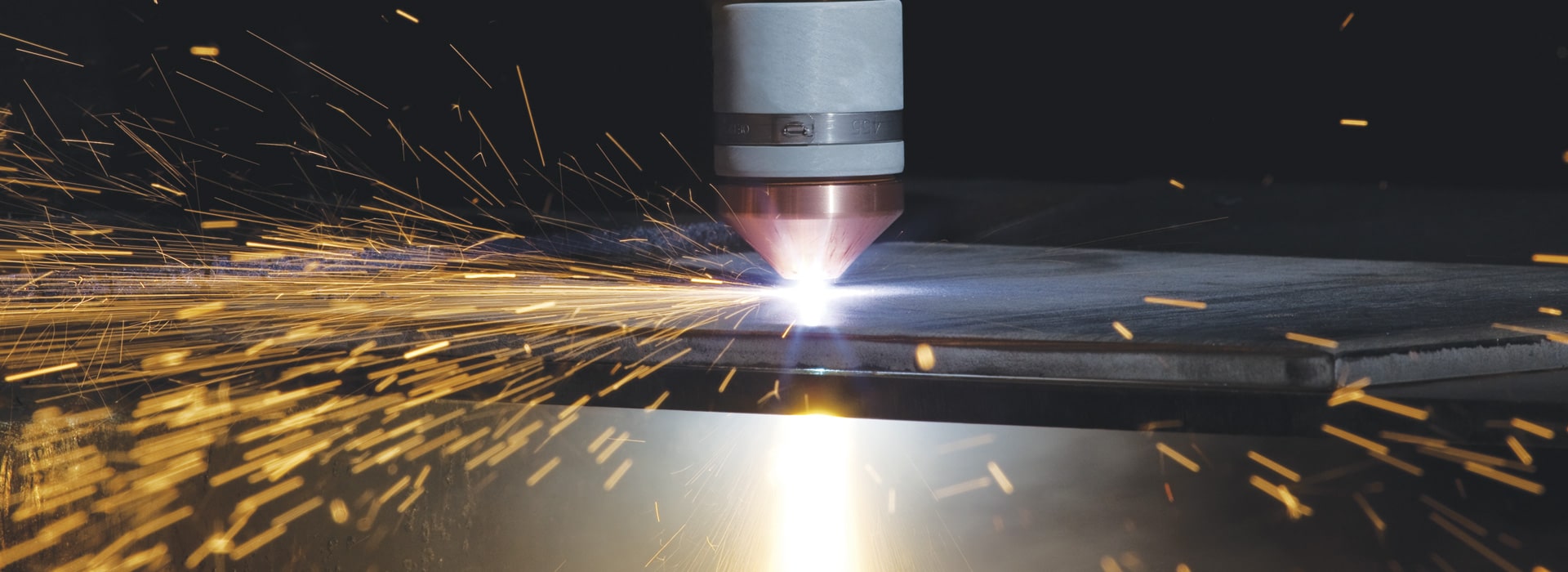
The process of plasma cuttingUsed in cutting conductive metals, it uses a conductive gas to transfer energy from an electric current source by passing through a plasma torch on the material to be cut. This cutting system plasma arc The basic system consists of a power source, an arc ignition circuit, and a torch. These system components provide the electrical power, ionization capacity, and process control necessary to produce highly efficient, high-quality cuts from a variety of different materials.
| Oxygaz | Plasma | Laser | |
|---|---|---|---|
| quality | - Low spoil - Large area affected by the heat - Slag requiring rework - Ineffective on stainless steel and aluminum | - Low spoil - Small area affected by the heat - Very little slag - Good precision cut (see excellent) | - Very small remains - Small area affected by the heat - Very little slag - Good precision cut (see excellent) |
| Productivity | Low cutting speeds - Increased preheating time drilling times | - Fast cutting speeds (all thicknesses) - Very fast drilling time | - Very fast on thin metals, slower on thick materials - Long drilling time on the thick materials |
| Cost & Consumption | - Poor productivity and rework necessary, generating a cost per unit superior to plasma | - Long lifespan of consumables, good productivity and excellent cutting quality generating a lower cost per unit to other technologies. | - High cost per piece due to the Electrical power required gas consumption, high maintenance costs and low cutting speeds on thick materials. |
| Maintenance | - High gas consumption - Simple maintenance that can be done internally | - Low gas consumption - Simple and moderate maintenance which can often be done internally | - Very high gas consumption - Complex and expensive maintenance requiring the intervention of specialized technicians. |
The precision of this cutting technique is remarkable. Plasma cutting This machine is primarily used by companies in the metalworking sector. It allows for the cutting of metal sheets with thicknesses from 0 to 160 mm (80 mm for steel and up to 160 mm for stainless steel) with an accuracy of plus or minus 0,3 mm. It also allows for the cutting of stainless materials and electrical conductors such as: rusted metal, painted metal, unalloyed steels, alloy steels, nickel, copper, brass, bronze, and aluminum.
Thanks to localized fusion, deformation is lower and allows for a precision of around 0,5 mm.
This process offers particularly important advantages due to the narrow thermally affected area and high cutting speeds.
Thanks to our expertise and the use of quality materials, we can offer you a machine tailored to your needs.
Fast, economical and highly competitive, our range consists of plasma and oxy-fuel cutting machines.
You will receive ongoing support through our technical support, enabling you to obtain quick and comprehensive answers.
| ALPHA Cut Cutting Table | LT Cut Cutting Table | MD Cut Cutting Table | DUAL Cut Cutting Table | Plasma cutting table for tube cutting |
![]() |
![]() |
![]() |
![]() |
![]() |
Discover our entry-level machine model in Plasma cutting tables and systems